Key Takeaways
- Purchase physical hardware units exclusively from the official manufacturer website.
- Inspect factory tamper-evident seals carefully before connecting any new physical device.
- Use dedicated open-source mobile apps solely for small educational network interactions.
Your storage architecture defines your baseline digital safety. Understanding these structural tradeoffs prevents costly operational mistakes as your technical familiarity expands.
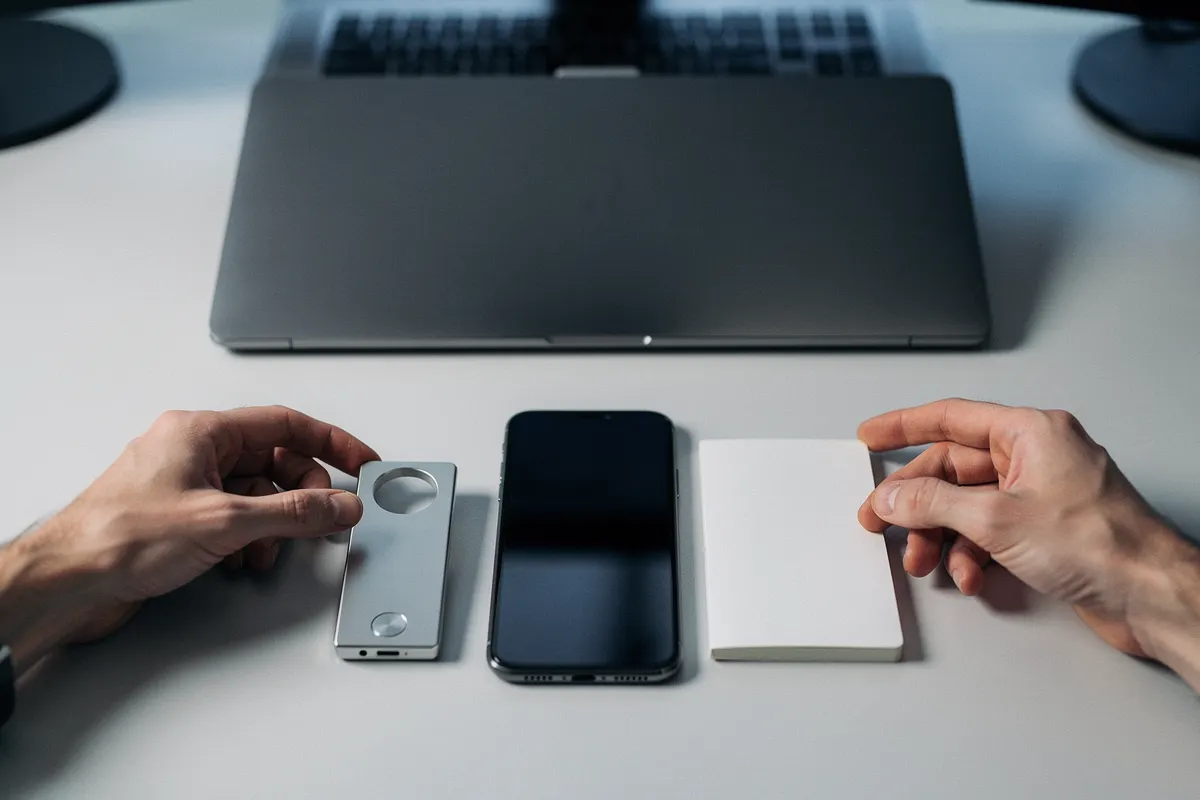
To evaluate these custody models fairly, we established four clear operational metrics based on real household use. First, we measured vulnerability to internet-connected malware during routine signature events. Second, we assessed the physical setup time required for an individual with no prior software background. Third, we tracked the recurring overhead of firmware and app updates across both form factors. Finally, we audited how each model handles cross-platform address validation during routine transfers.
Evaluation Criteria: Assessing Interface Architecture and Threat Models
Software wallets function as desktop extensions or smartphone applications that keep cryptographic credentials within local operating system memory. They excel at speed and allow newcomers to explore decentralized applications without purchasing dedicated physical equipment. However, persistent internet connectivity exposes private key material to background operating system vulnerabilities and phishing prompts.
Hardware appliances isolate cryptographic keys on dedicated secure elements physically separated from personal computers. They require manual button presses to authorize transactions, neutralizing almost all browser-based malicious scripts.
Physical signature verification remains the primary barrier preventing automated desktop malware attacks in personal asset custody.
Software Interfaces: Rapid Deployment and Daily Usability
Software applications are free to install immediately across standard devices. Hardware units represent a deliberate upfront hardware purchase generally ranging between $60 and $180.
Most active households ultimately select both. Beginners who only manage modest educational balances find mobile apps perfectly adequate for daily exploration. Conversely, individuals preserving significant personal records over multi-year horizons require the physical air-gap protection of a dedicated USB appliance. Splitting your balance across two independent environments gives you practical accessibility without sacrificing fundamental safety.
Direct Hardware Acquisition Costs
- Verify full public address characters directly on the device screen before confirming.
- Maintain updated device firmware to patch emerging connection vulnerabilities promptly.
- Never enter your seed phrase into a computer keyboard under any circumstance.
Hardware Appliances: Physical Isolation and Cold Storage Protocols
Selecting storage tools is an operational exercise rather than a brand preference. Start by identifying your primary activity volume, evaluate the underlying device environment, and review our wide hardware setup checklist to proceed with complete confidence.
Final Assessment: Structuring a Balanced Dual-Tier Approach

About the Author
Elena MorariElena writes technical explainers comparing storage interfaces, verification protocols, and network safety standards for newcomers. Questions regarding this article? Reach out at support@flordert.com.